In the author's own words, this book is about "different imaginative visions, different world-pictures, different myths by which we try to make our choice intelligible". It is a philosophical book, but with practical explanations on why certain world views (myths) are popular today, and how they have evolved over the last few hundred years.
She does a great job in pointing out various biases modern Western readers have, and how they may influence our world views and acceptance of certain theories of the world. Ideas like 'social contracts' and 'memes' are being analyzed. A central question is the mind/body relationship, and why there is a distinction between the two in the first place in our world views. The author forces you to reevaluate old ideas, and points to subtle assumptions in your thinking. My father gave me The Myths We Live By as a present and the dedication he wrote in the book fits this perfectly: "philosophy is always keep asking questions".
She identifies as a weaknesses in grand theories a large abstract 'black box' between vast principles and specific cases (p. 85). She credits such theories with the fact that they can shed light on certain moral questions, "light up and clarify some special aspect of life, to supply conceptual tools which will do a certain necessary kind of work. Wide though that area of work may be, it is never the whole, and all ideas lose their proper power when they are used out of the ir appropriate context" (p 156).
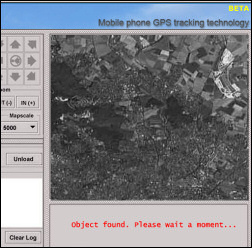 I found a nice website that allows you to track where a GSM cell phone currently is.